
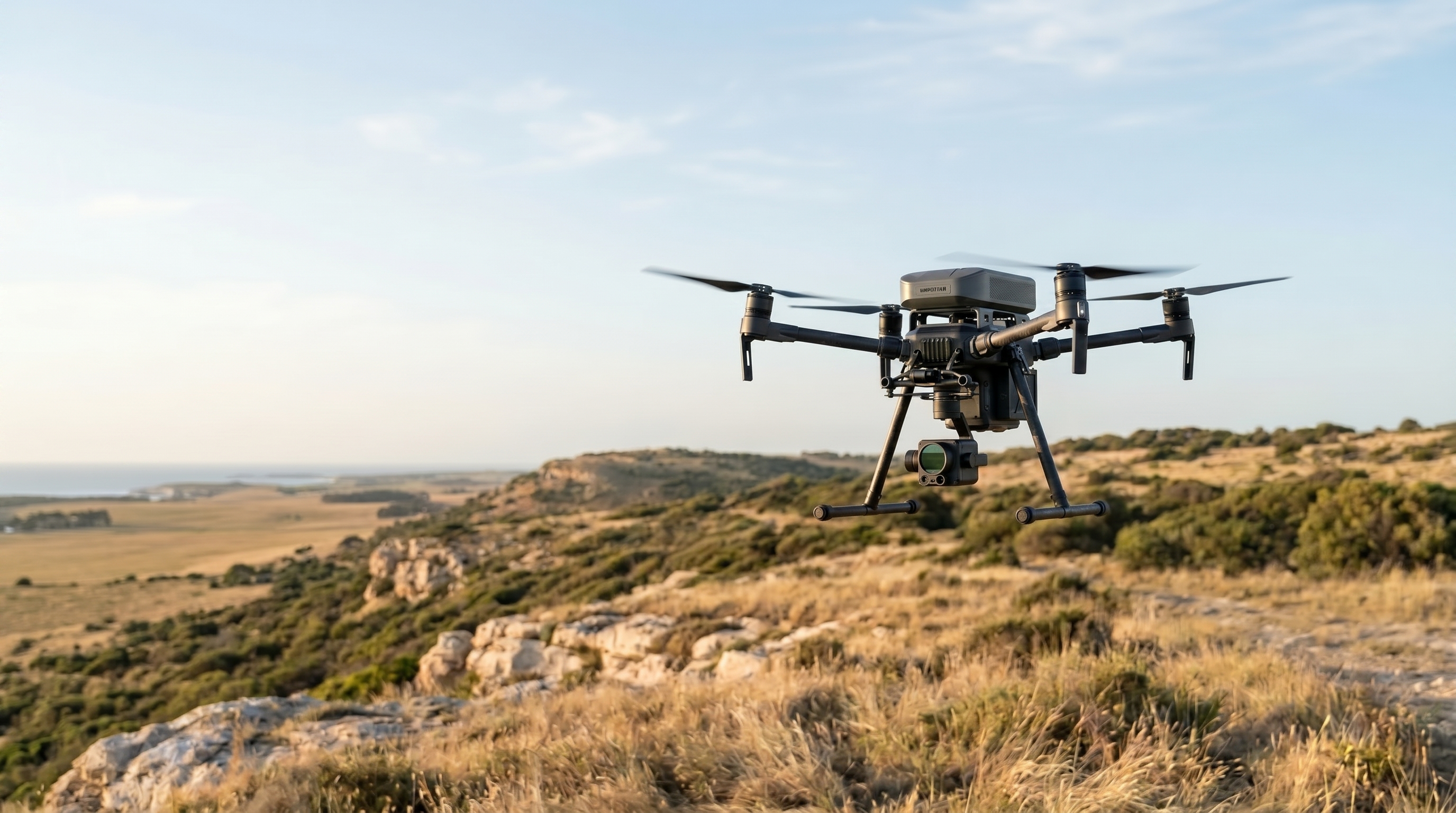
Harsh Environments Do Not Break Weak UAV Systems First — They Expose Weak Communication Decisions
The UAV industry spends a lot of time hardening aircraft.
Airframes are reinforced.
Payloads are protected.
Environmental specs are checked.
Teams prepare for temperature, terrain, and mission stress.
All of that makes sense.
But many teams still make the same strategic mistake:
They harden the platform before they harden the communication architecture that keeps the platform usable.
That is why harsh environments are so revealing.
They do not just test the aircraft. They expose whether the communication layer was ever strong enough to support the mission when the environment stops helping.
The first failure is often not visible failure
In difficult environments, missions do not usually collapse in one dramatic moment.
More often, the first signs show up inside the communication layer.
The feed is still there, but less trustworthy.
The aircraft still responds, but with less confidence.
The mission is still active, but the team starts hesitating.
That is what makes communication weakness dangerous.
It rarely announces itself as immediate failure. It enters quietly, then compounds:
- slower decisions
- more cautious control
- weaker confidence in the feed
- less precision in execution
- more operator correction than the mission should require
By the time the team can clearly say “the link is failing,” the mission has often already degraded.
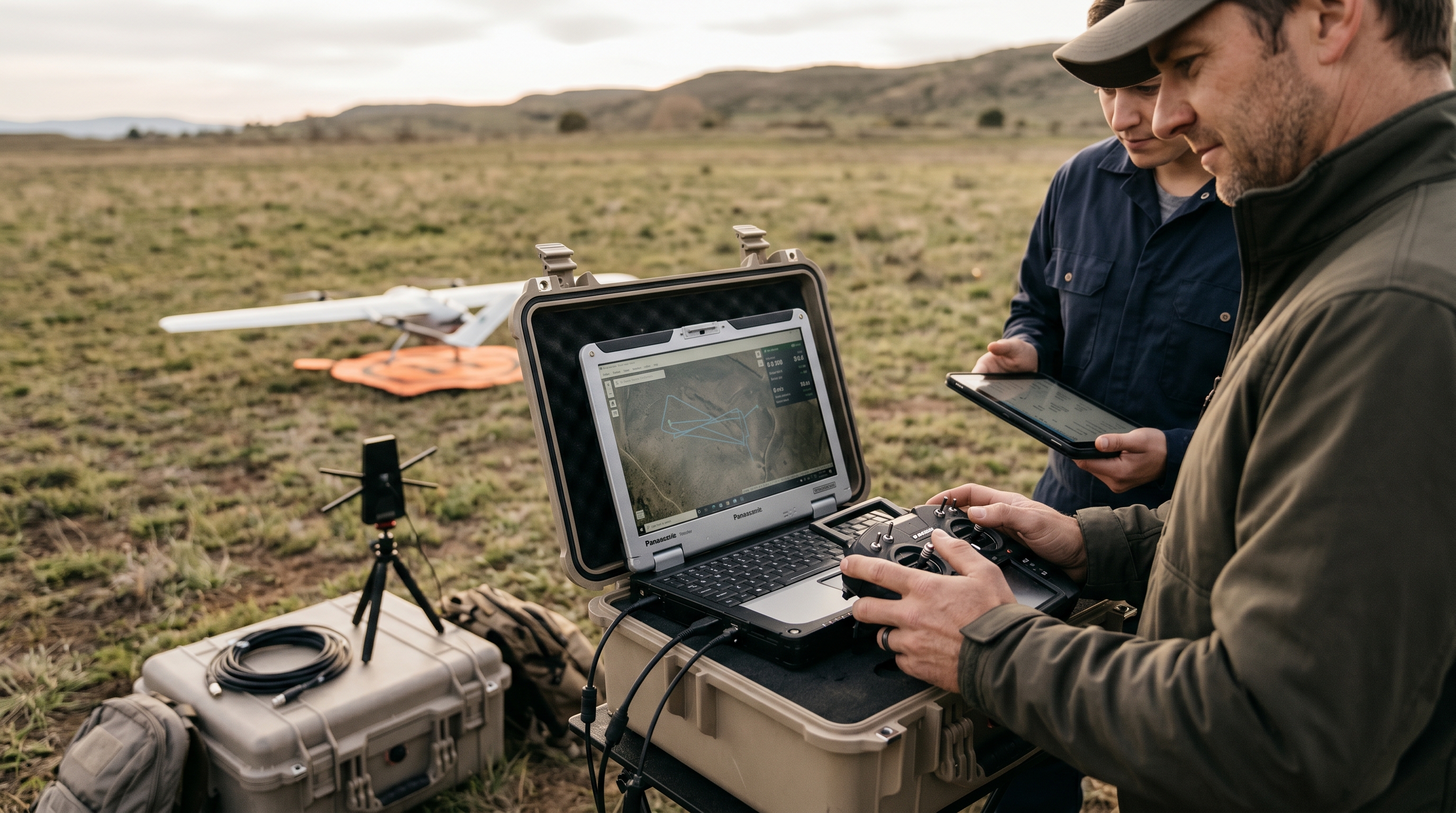
That is why harsh environments expose so much truth. They make soft weakness expensive.
Ordinary communication choices stop being good enough
In cooperative environments, many communication setups look acceptable.
In harsh environments, acceptable is not enough.
This is where RF-heavy conditions, terrain complexity, operational stress, signal instability, and mission consequence all start working against the margin the team thought it had.
And that is where generic communication choices begin to show their limits.
A basic link product may still function.
A patch-based anti-jamming fix may still help in part.
An RF-only setup may still remain active.
But harsh environments are not testing whether communication is active.
They are testing whether communication remains dependable enough for the mission to stay trusted.
That is a higher standard.
The real market mistake
Many teams still think harsh-environment readiness is mostly about the platform.
It is not.
The real bottleneck often sits in a more neglected layer: communication design assumptions that only work well when conditions stay relatively friendly.
That is the sharper industry judgment.
If communication is treated as a supporting function instead of a mission-critical layer, harsh conditions will expose that choice very quickly.
Not because the system stops working instantly.
But because the mission becomes harder to run with confidence.
And confidence is not a soft concept. In high-pressure operations, it affects timing, coordination, execution quality, and whether the team can keep pushing the mission forward.
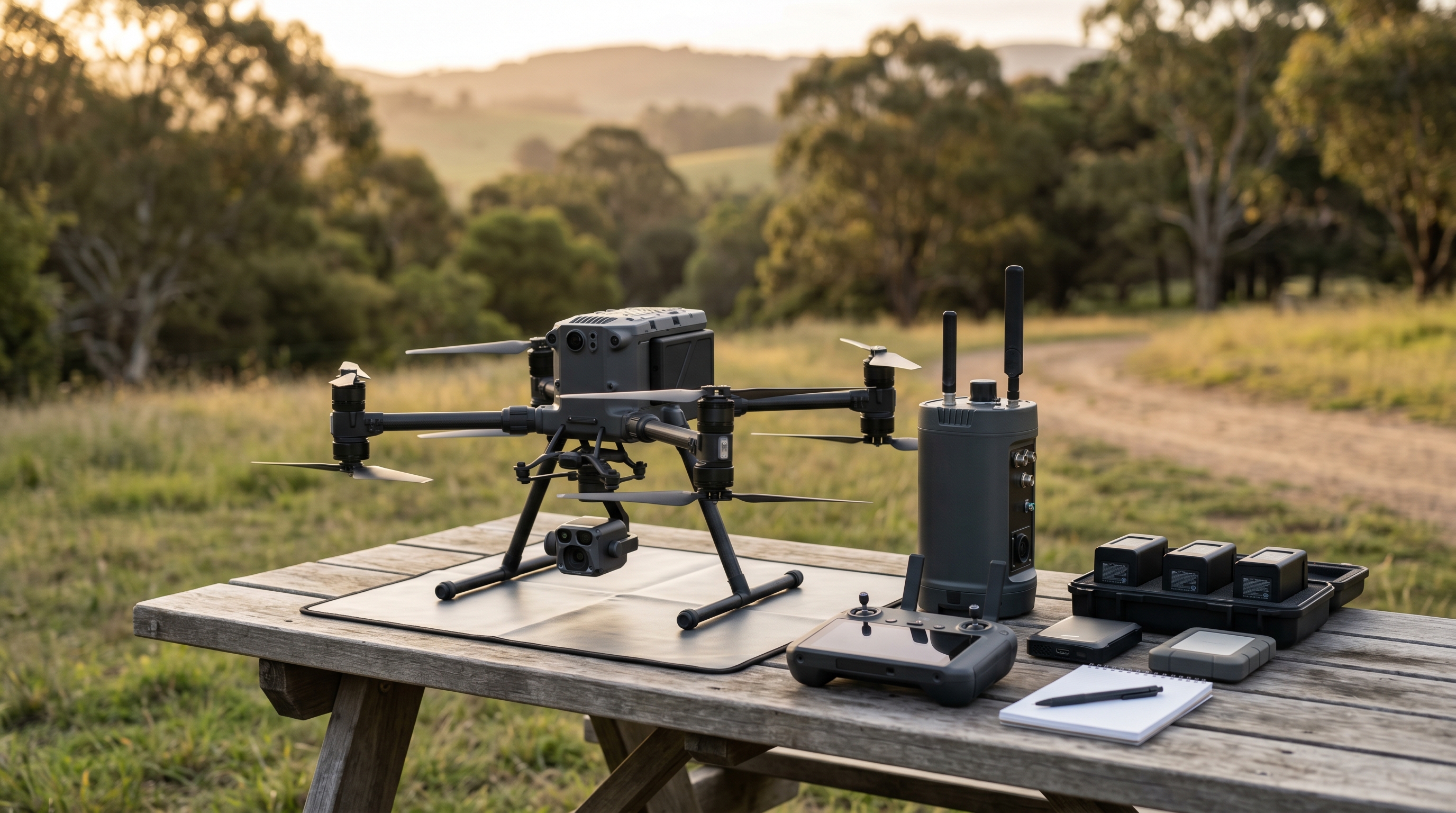
Why fiber matters when the environment becomes unforgiving
Fiber matters here because it reduces a form of instability that harsh conditions amplify.
When the mission environment becomes more difficult, the communication layer has to become more dependable. The system needs cleaner control continuity, steadier data behavior, and fewer reasons for the team to question what is happening in real time.
This is not just about protecting performance metrics.
It is about protecting the mission’s ability to remain controllable when pressure rises.
That is where fiber becomes strategically important. It helps turn communication from a vulnerable support layer into a stronger part of operational readiness.
Where NovaLynx is different
NovaLynx is built for teams that cannot afford to treat communication as secondary.
It is designed for UAV operations where control continuity matters under pressure—where RF-heavy conditions, environmental stress, or mission complexity can quickly expose weak communication decisions.
The difference is not that NovaLynx makes every mission easier.
It is that it is built for the missions where ordinary communication choices stop being good enough.
Final takeaway
Harsh environments do not create weak communication architecture. They reveal it.
Request NovaLynx product information or talk to an engineer about communication architecture for harsh-environment UAV deployments.